
My story starts at the age of 14. I played basketball for the community AAU basketball team. I was perfect before the season started with workouts and practice. At one of the last workouts before the season started, my knee started to get this tingling sore feeling. It started to swell up and down. I thought nothing of it. I thought that I had just been overworking myself. Little did I know, this was way more than regular swelling.

Our first game of the season, I was hype. My team wanted a good start to the season to redeem lasts year’s blowout to this rival team. The second possession of the game I was bringing the ball down the court when my right leg completely went out. I couldn’t do as much as walk off the court. I ended up sitting out the whole game. I went to the doctor like 3 days or so after. The doctor When I went to see my doctor , he asked me where the pain was, how often does my right knee sell, and how often do I feel bone irritation? After he received my answers he said that this wasn’t good. I had no idea what he meant by that. My childish mind thinking it could just be a knee sprain or something was wrong. After the tests came back, he said that I had a tumor in my knee which meant I had bone cancer. In my mind I thought that I would die tomorrow. My doctor said from this point on I would have to become a fighter to beat this cancer from this point on.
I then began to go through the fighting process about 3 weeks or so after. I had to do chemotherapy. Its usually to primary way to attempt to get rid of the cancer. Although it fights the cancer, it fights your body as well. This causes less energy, immune system gets weaker, and hair lost. It was really tough for me . After my chemotherapy was over, I then began my physical therapy to build my leg strength to normal. After a year or so of constant work and dedication, I was on the court throwing up shots.
The Facts:
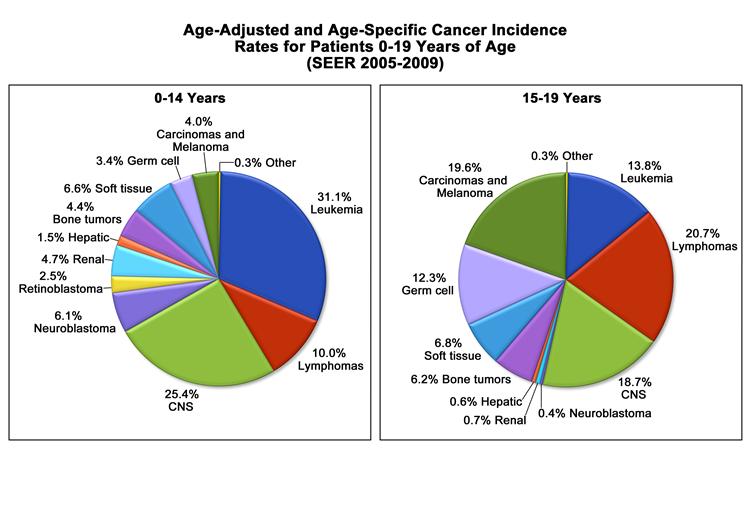
His story is a brief overview of the average teen’s experience with this particular cancer. He did not give up. Many people don’t exactly know about bone cancer in particular. They are kind of in the dark about the statistics, symptoms, treatment, etc.. Let me inform you on briefs facts on bone cancer.
It is not as common, but it is common enough, Most teens that have the cancer most likely have osteosarcoma bone cancer according to cancer.net. This is 56% likely to occur in teens did my god brother had. The other types of bone cancers are Chondrosarcoma, Ewing tumor, fibro sarcoma and malignant fibrous hastiersytona, giant cell tumor, and chordoma.
Symptoms and Treatment
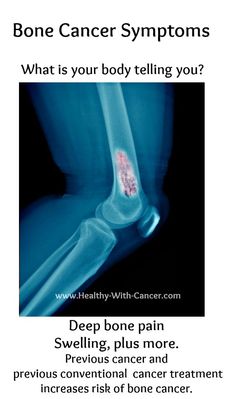
Some of the symptoms of signs of bone cancer are bone pain, swelling, fractures, decreased mobility. The signs are not that to notice; however, some of the symptoms sometimes seem like regular knee sprain. This could lead to people to not think much of it which could be dangerous. You will allow the cancer to progress while thinking so; this will lessen your survival the longer you take. Anatomy of the bone. The bone is made up of compact bone, spongy bone, and bone marrow.
The main type of treatment is chemotherapy and physical therapy after. The chemo is done at a cancer treatment facility. The most known facilities are MD Anderson, Saint Jude, Memorial Sloan Kettering Cancer Center, and many more.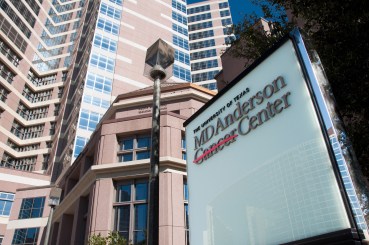
Sources

Comprehensive Cancer Information." National Cancer Institute. N.P., n.d. Web. 25 Oct.2016.

"Signs and Symptoms of Bone Cancer." Signs and Symptoms of Bone Cancer. N.P., n.d. Web. 25 Oct. 2016.

"Bone Cancer Types." Types of Bone Cancer: Osteosarcoma & Other Variants. N.P., 01 Jan. 0001. Web. 25 Oct. 2016.


"How Is Bone Cancer Treated?" How Is Bone Cancer Treated? N.P., n.d. Web. 31 Oct. 2016.
 Site Title